

Herond Mobile Browser
We built the mobile browser natively in Swift and Kotlin, bringing ad blocking, tab synchronization, and the embedded Web3 wallet to iOS and Android.

What We Shipped
We built and ship independently across 4 platforms: macOS and Windows from a downstream Chromium fork, Android compiled directly from Chromium source, and iOS on WebKit with native Swift application layers.
Multi-platform browser core
Desktop builds run on a customized Chromium fork, Android compiles from Chromium source, and iOS uses WebKit with native Swift application layers.
Built-in non-custodial wallet
The Web3 wallet is embedded directly into the browser shell and not isolated inside an extension sandbox.
Herond Shield ad & tracker blocking
Herond Shield filters network traffic at the protocol level to block trackers, malicious scripts, and invasive ads.
Integrated private networking
A decentralized VPN routes and encrypts network traffic across the entire browsing session.
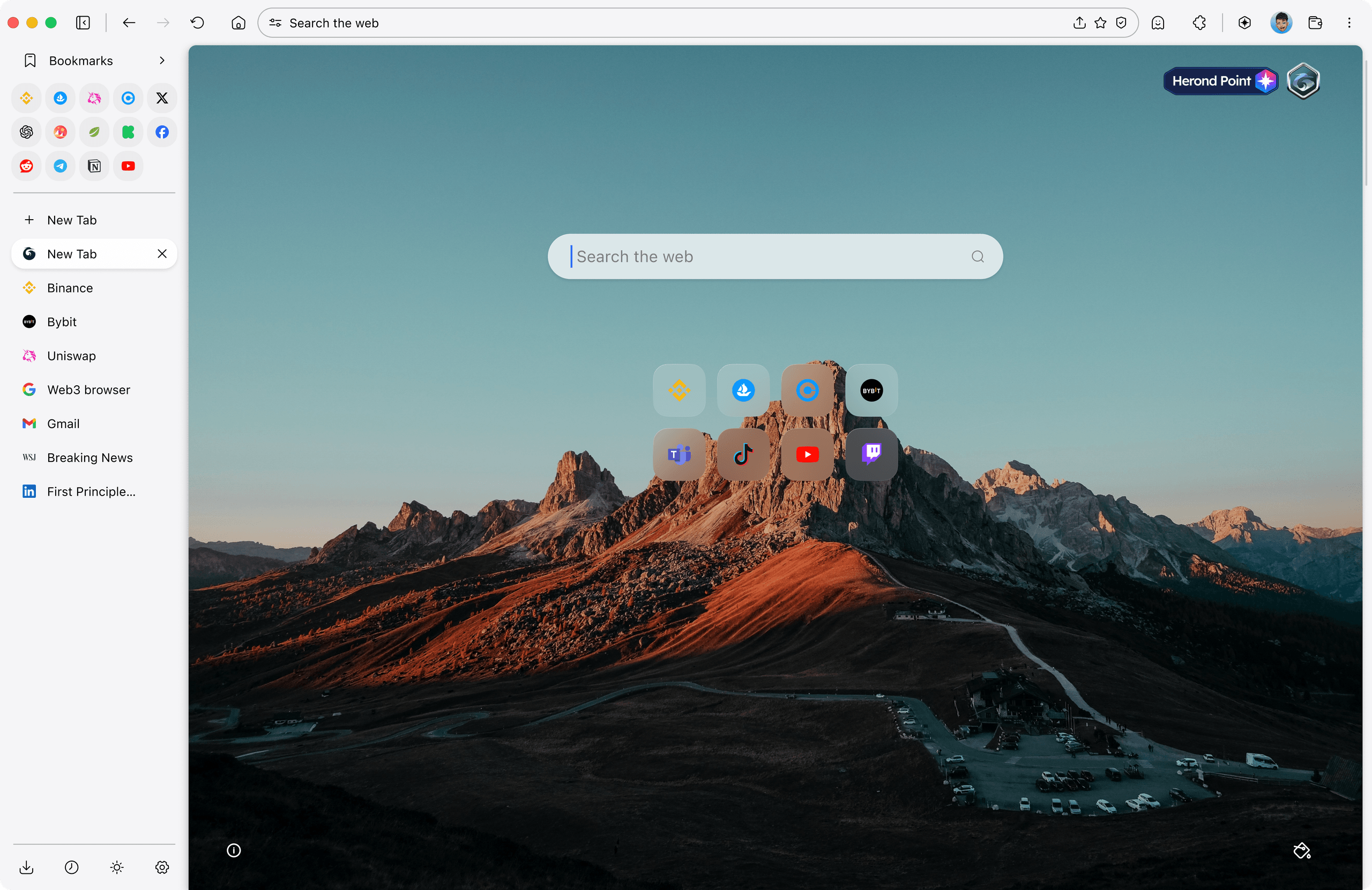
Workspace & vertical tab organization
Vertical tabs, workspace grouping, and session restoration provide structured tab management.
Problem & Context
Most browsers push ad blocking, VPNs, and crypto wallets out to third-party extensions. Users must install and configure multiple disjointed add-ons, repeating the process on every new device. Herond Browser ships all three capabilities built directly into the application core.
Engineering Challenges
Maintaining a downstream Chromium fork
Every upstream Chromium release requires replaying our custom patch sets over an evolving C++ codebase and verifying security fixes across all 4 operating systems.
Cross-engine parity and interface fidelity
We maintain engine parity across Blink on desktop/Android and WebKit on iOS, adapting UI behaviors to match each platform native conventions.
App store review for a wallet-carrying browser
Shipping an integrated cryptocurrency wallet requires rigorous compliance documentation and thorough review cycles with both Apple and Google store teams.
Operational outcomes
- 4
- platforms shipped (iOS, Android, macOS, Windows)
- 18
- production releases in 12 months
- 99.5%
- crash-free session rate
- 4.8★
- average user rating on App Store
We maintained an average 3-week release cycle across all 4 platforms, pulling in upstream Chromium security patches as soon as they were published.
Custom C++ core modules and native wrappers keep memory overhead significantly lower than standard Chromium builds.

How this benefits client projects
Our experience modifying Chromium source, optimizing native memory footprints, and navigating complex store approvals carries directly into partner projects.